Alapati 20 Red Amaranth: sometimes referred to as 'pigweed', this plant is much prettier than it sounds and has a variety of applications. Whether to add some floral to your garden, to eat the leaves or to use the seeds as a grain or ground into flour - Amaranth does not disappoint. Red Leaf Amaranth can be used in salads or cooked similar to Spinach - very popular in Asian cuisine.
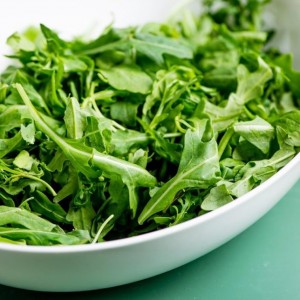
Arugula: this leafy green is not a fan of hot weather so best planted as soon as the winter frost disappears. Each seed produces a stem to which leaves develop. These leaves can be cropped (once they reach approximately 3") and will regenerate at least once or twice throughout the harvesting season.
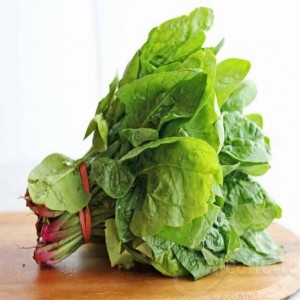
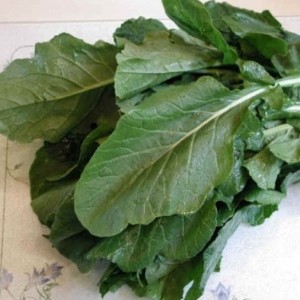
Asian Spinach: may be solid green in color, or green with crimson highlights. The flavor is very similar to standard spinach varieties with the red or crimson varieties being sweeter and more intense.
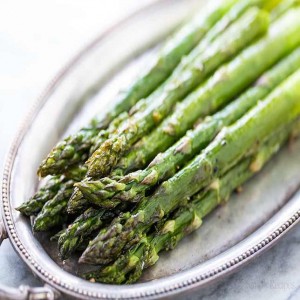
Asparagus: a vegetable of many names - know as as Garden Asparagus, Sparrow Grass or Asparagus Officianals, this hearty green is a perennial and will come back for years to come. Take note though, like all things worth waiting for, Asparagus planted by seed will take approximately 3 years until it is ready to be harvested.
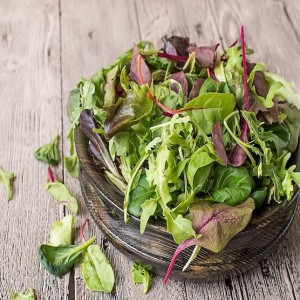
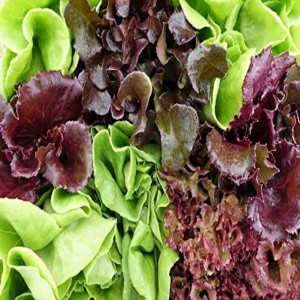
Baby Leaf Lettuce Mix: this fun little lettuce is succulent in taste and and a nice addition to any salad or lettuce mix.
Where: This plant likes the sun, but does not like to get sunburnt later into the season so take care on positioning. Choosing a location that lends to partial shade, especially from the afternoon sun is the safest bet to ensure optimal yield.
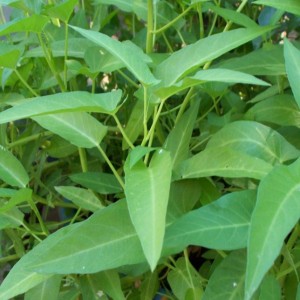
Water Spinach Bamboo Leaf: a variety of Water Spinach with small mid green arrow shaped leaves on long hollow stalks. Very vigorous, tolerant to heat, and requiring less water for growth.
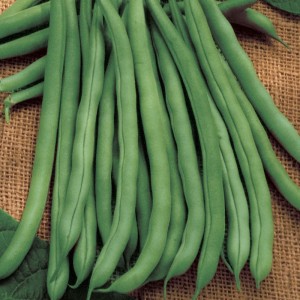
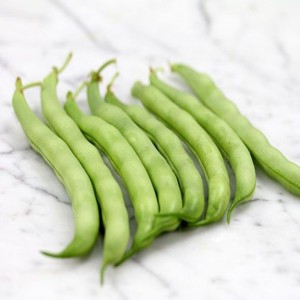
Blue Lake Bush Beans speak to luscious strength and vigour don't they? This dark green bush bean has been around for many years and known for its crisp and flavourful texture. Growing to about 2' tall, a pole or trellis may help to give this hearty plant some added support, but not completely necessary.
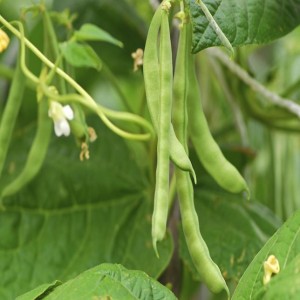
Blue Lake Pole Bean: pole means 'up' - this heart healthy bean needs a trellis as it can grow as much as 6' tall. Known for its 'meaty' center, this pole bean is said to have a stronger taste than it's bushy beaned brother.
Cannellino Bush Bean: a favourite amidst italian cuisine and chef's alike is the Cannelini Bean - a starchy, potato like addition to soups (re. minestrone), stews, and salad dishes. They are essentially fat free, a great source of fibre and an even greater source of protein - 11 g in 1/4 cup!
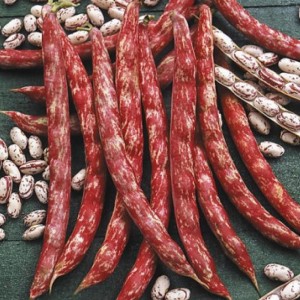
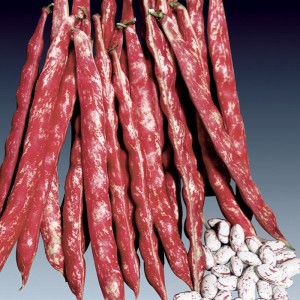
Dwarf French Bush Bean: bush bean variety. Seed is round, large, buff and red mottled. Pods are a very good variety for home gardens as well as for freezing and canning.
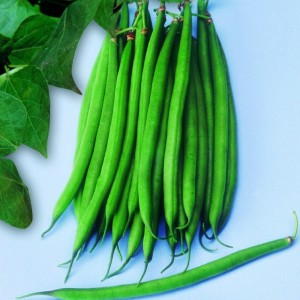
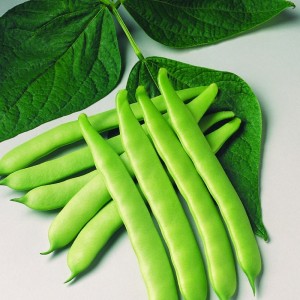
Roma Bush Broad Bean (stringless edible): bush bean variety and a very good yielder. Pods are long and bright green in colour. Exceptional variety for productivity and taste as well as for the very soft consistency of green pods which, when ripe, are about 14 cm long. and wide cm. About 2.5.
Shelling Pole Bean: come in pods, much like the more commonly available pole beans. Their pods are thicker since the beans inside tend to be quite a bit bigger, and the outside texture is drier than other shells.
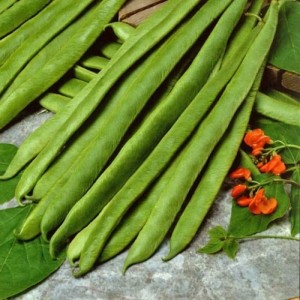
Super Marconi Pole Bean: pole bean variety. Pods are flat shaped and string less with slightly hooked pods 23 – 25 cm long. Plant is a late crop variety with a black seed.
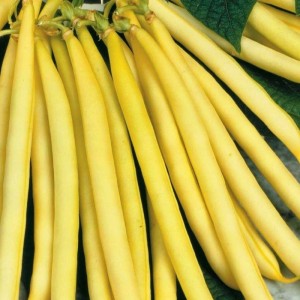
Yellow Wax Bush Bean (stringless edible): is an AAS winner that is stringless and very weather tolerant. The 6 inch long snap beans are yellow with black seeds. They can be enjoyed fresh, canned, or frozen.
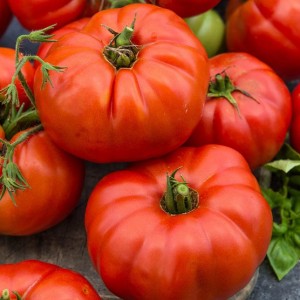
Beef Steak Tomato, the 'King' of the tomato clan or otherwise known as the 'salsa' tomato, the beefsteak tomato will have your tastebuds dancing in no time! Where: In full sun - that is what gives them that vibrant colour after all.
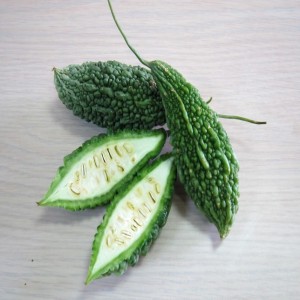
Bitter Melon, just as it sounds, Bitter Melon is.... bitter. Part of the Cucurbitaceae family, Bitter melon behaves very much like its brother cucumber or sister cantaloupe in the garden as it grows in a vine-like fashion. Used in a variety of ways, this vegetable can be baked, roasted, fried, steamed or boiled.
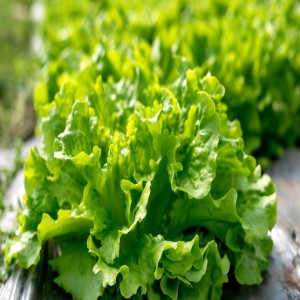
Black-Seeded Simpson Lettuce, despite the elusive name, the black seeded simpson is anything but dark. Leafy, vibrant, tender and succulent, this lettuce is one of the most popular of North American growers due to its climatization to cooler spring temperatures.
Blue Curled Scotch Kale is ideal in the North American climate, Blue Curled Scotch Kale, doesn't quite warm you up as the name or related drink might imply, but it is loaded in Vitamin A and a nice, hearty addition to a winter meal.
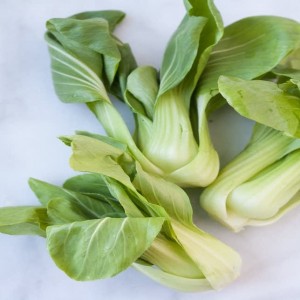
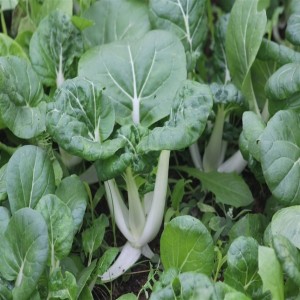
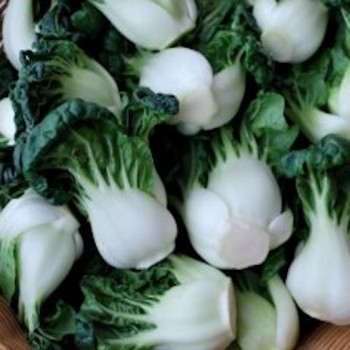
Bok Choy Cabbage, also known as 'Chinese Cabbage', bok choy is an ideal plant for the North American climate as it can be planted at cooler temperatures.
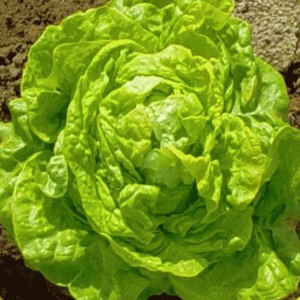
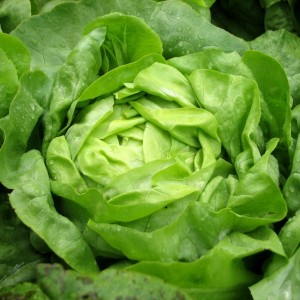
Boston Lettuce is part of the 'Butterhead' Family, Boston Lettuce, is soft, round, succulent and carries a buttery flavour. It is a nice complement to any salad or used as a bed for other dishes. Boston Lettuce also carries some of the best nutritional content compared to some of it's other leafy siblings.
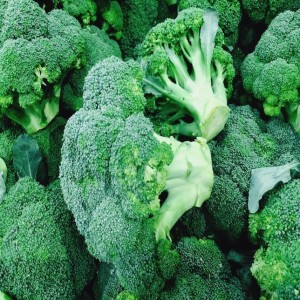
Broccoli, also known as 'Green Trees' - at least that is what my grandmother used to call them - are generally a family favourite - even with the younger ones. Popular in a number of cultures and cuisines - you simply can't go wrong with Broccoli.
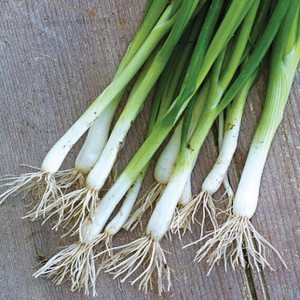
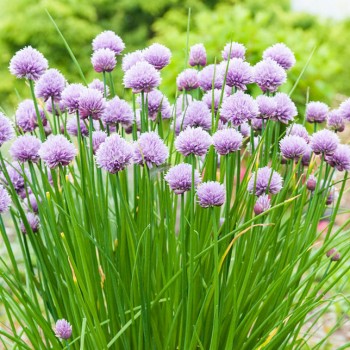
Bunching Onion: despite what you might think, a bunching onion does not come from a bulb like some of it's onion sisters - instead it is grown for its stems and leaves which are used for flavouring many dishes.
Buttercrunch Lettuce plant has thick and fleshy leaves with a round core. Leaves are expanded and heavy. The seeds are white. The plant is suitable for spring and autumn growing.
Canton Bok Choy: also known as Pak Choi, is a Chinese version of cabbage - a nice addition to soups, sauces or stirfries, boy choy is a staple of many.
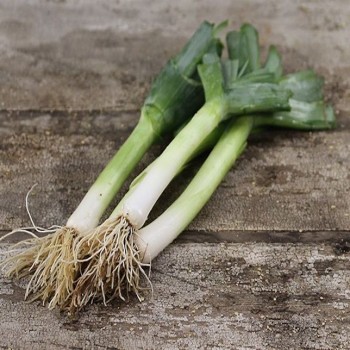
Carentan Leek: plant is upright with dark green foliage. Plant is a good variety with extra large long stems. Plant stands well through the winter. Plant is a high yielder.
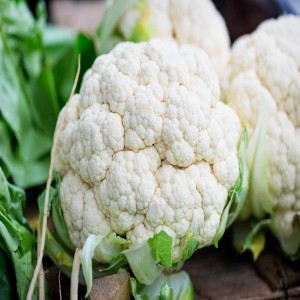
Cauliflower Snowball: plant matures in 75 – 80 days from transplanting. Plant has a short stem with round compact head. Plant is well protected and is pure white in colour, approx 0,9 – 1,2 kg (2-3lb) in weight. Hardy variety well suited for open field growing.
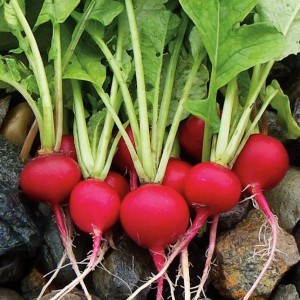
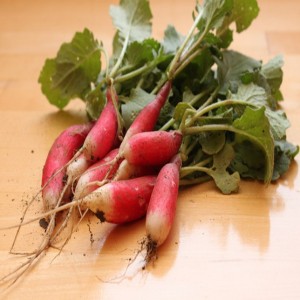
Cherry Belle Radish: round, smooth, scarlet beauties, 3/4" across with crisp, white flesh. Fast and easy to grow, radishes are best in cool weather. Proven tops for performance, flavour and wide adaptability.
Chicory Grumolo Green: chicory that produces abundant broad leaves, ruffled and wavy, pale green coloured, forming a ball like head lettuce, quite compact, very heavy. Sow at different intervals to extend the harvest season. Prized for being easily preserved and its delightful texture and flavour.
Chicory Mix: a balanced blended mix of Grumolo Green, Variegata Di Chioggia, Rossa di Treviso, Radicchio Rossa di Verona, and Radicchio Palla Rossa Precoce.
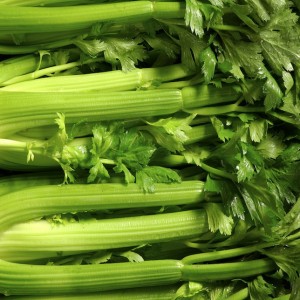
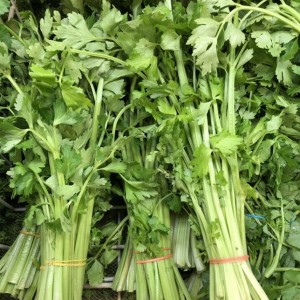
Chinese Celery: grows in a rosette stemming from the base of its roots. Fragrant, this ancient Asian vegetable-herb has hollow, thin crispy stems and delicate wispy leaves.
Cornetto di Bordeaux Endive: it's a broad-leaved variety and it forms loose straight heads with crisp light green leaves. The hearts are lighter in colour.
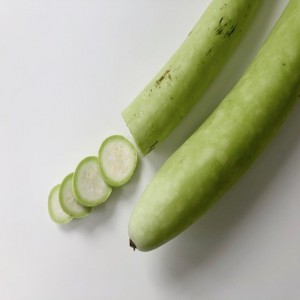
Cucuzza Squash: known for its extreme length, can grow anywhere from fifteen inches to three feet in length and can be upwards of three inches in diameter. Its shape can be long and straight or can have a slight curvature.
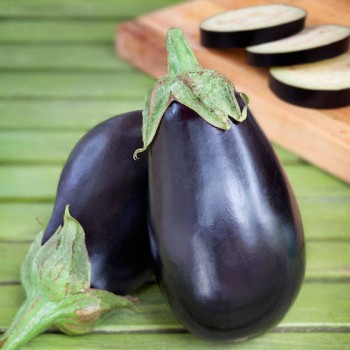
Eggplant Black Beauty: this variety of open-pollinated and heirloom eggplant has been a favourite for vegetable gardeners throughout decades. When picked at peak maturity, these large glossy fruits offer impressive yields.
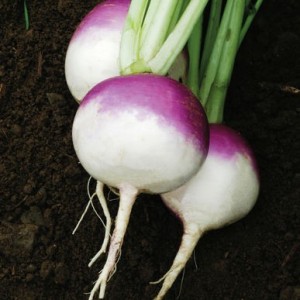
Flat Purple Top Turnip: plant is an early variety with a flattened medium large shape and is white purple top. When harvesting pull the whole plant out by hand or mechanically, when the roots have reached the desired size of the variety sown.
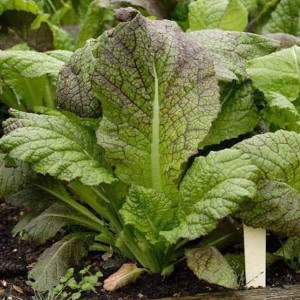
Giant Red Mustard: is a large, leafy vegetable which may reach up to 90cm in height. The leaf colour is striking and the rich red- purple, deeply textured leaves are contrasted by the bright green of the central vein. The leaves are tender and succulent, while the stems are crunchy.
Green Leaf Callaloo: is exceedingly easy to grow! Sustaining a high tolerance for heat, grow Green Callaloo Amaranthus for its light green leaves that can be used raw or in soups and stews.
Ho Tau Bok Chinese Cabbage: a member of the bok choi family, this chinese cabbage is also great for stir fries or salads and is a bit more heat tolerant (less prone to bolting in heat) than some of its counterparts. It is however, not a fan of cooler temperatures. This plant is recognized for its shorter stem by comparison to other cabbage varieties.
Hungarian Hot Pepper: produce compact plants up to 60cm (24") in height. The fruit is smooth, waxy and bright yellow, but will mature to crimson if left on the plants.
Kangkong Water Spinach: is an herbaceous aquatic or semi-aquatic perennial plant of the tropics or subtropics. Leaves are flat, and vary in shape depending on variety, from heart-shaped to long, narrow and arrow-shaped. Narrow leaves are 1-2.5 cm wide and 20-30 cm long. Broad leaves are up to 5 cm wide and 15-25 cm long.
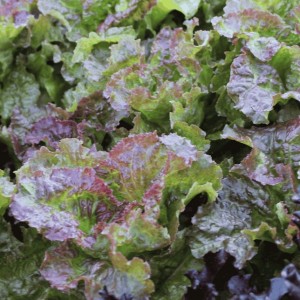
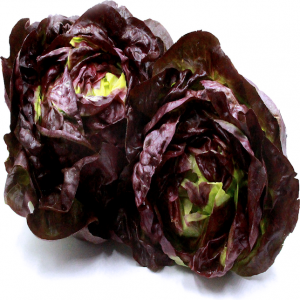
Lettuce Spring Mix: mix of lettuce with thick and compact red and reddish green leaves. Heads are large. Plant is an excellent yielder. This is a very popular second-early variety. Plant is well suited for summer growing's.
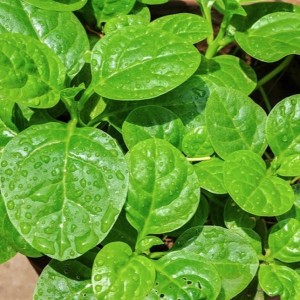
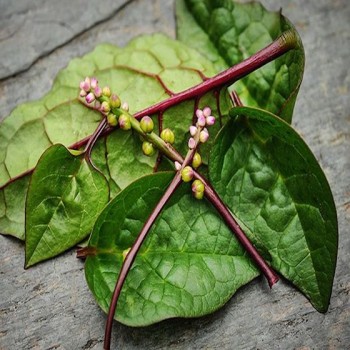
Malabar Spinach: when it's raw Malabar spinach has very fleshy, thick leaves that are juicy and crisp with tastes of citrus and pepper. When cooked, though, Malabar spinach does look and taste a lot more like regular spinach.
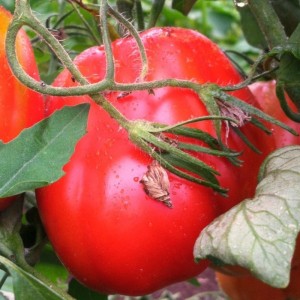
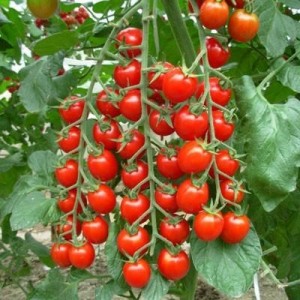
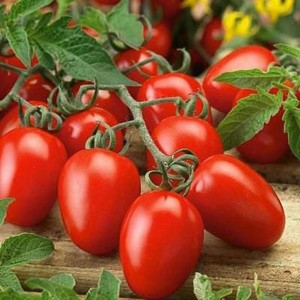
Oxheart Tomato: plant is a second early variety with a deep large oblate shape. Fruit is a dark red colour. Fruits are suitable for tomato sauces and salads.
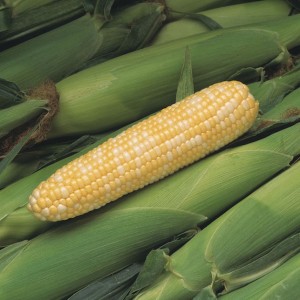
Peaches and Cream Sweet Corn: is one of the sweetest and most tender corns ever developed. This variety is a delicious gourmet bicolor sweet corn that has a great tasting yellow and white kernels.
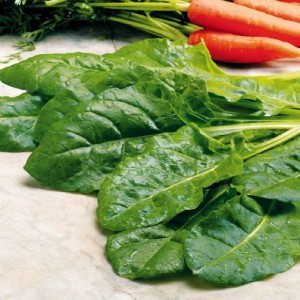
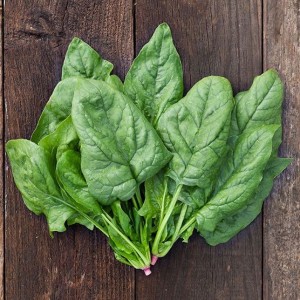
Perpetual Spinach Swiss Chard: belongs to the same species as chard and beets, but it has distinctive differences. The taste is more like a true spinach than ordinary chard, and the leaves look like spinach too—flatter and more pointed than chard, with slimmer stems.
Prizehead Leaf Lettuce: it is a non-heading, leaf or loose-headed lettuce variety. The leaves are upright, deeply curled, broad, and light green with a slight reddish blush on the tips..
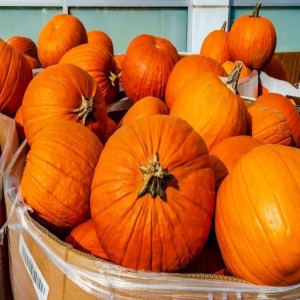
Pumpkin: is a cultivar of winter squash that is round with smooth, slightly ribbed skin, and most often deep yellow to orange in coloration. The thick shell contains the seeds and pulp.
Radicchio Palla Rossa Precoce: this is the earliest of the Palla Rossa Radicchio and a premium selection. The tight heads hold a wonderful flavour and texture. Great for early harvesting.
Radicchio Variegata Di Chioggia: one of the easier radicchios to grow, it has attractive dark red leaves with white ornamentation and stems. Ball shaped and suitable for salad or cooking.
Radish Chinese Mantanghong: this variety is globe-shape, green shoulder with dark pink flesh. Because of their color, they are the perfect radishes to carve into flower shapes as garnish.
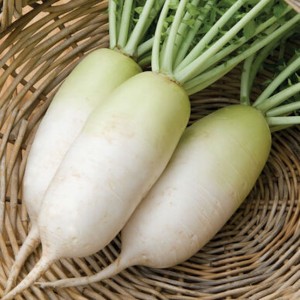
Radish Korean: 30-35cm long white roots with green shoulders growing up to 2.5kg. Can be picked early for small size radish. Slow to bolt, more heat tolerant than other winter radishes.
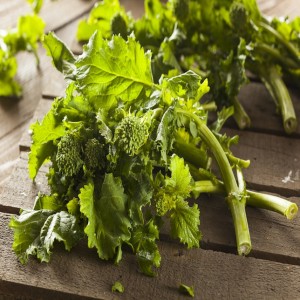
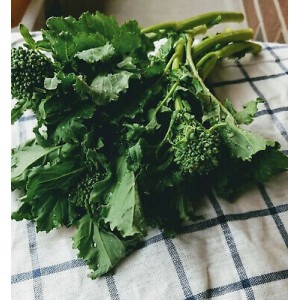
Rapini 40 Days: plant has small inflorescences with the most tender leaves that are used. They are sown all year round according to areas and are harvested according to the resp, negative cycle of 40 to 120 days after sowing.
Rapini 60 Days: plant has small inflorescences with the most tender leaves that are used. They are sown all year round according to areas and are harvested according to the resp, negative cycle of 60 to 120 days after sowing.
Red Malabar Spinach: a beautiful ornamental and extremely heat tolerant, red malabar spinach is a welcomed garden addition. Vine plant. It's leaves are great in salads, smoothies or stir fries. Grows as an annual in Canada due to the cooler temperatures.
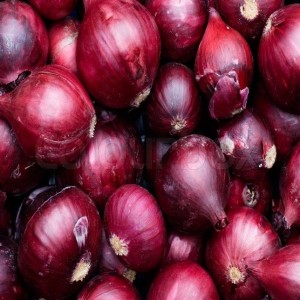
Red Onion: with their deep purple outer skin and reddish flesh, these are really the odd-guys out in the onion family. They are fairly similar to yellow onions in flavour, though their layers are slightly less tender and meaty.
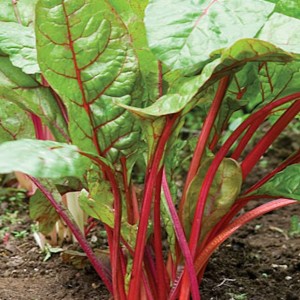
Red Rhubarb Swiss Chard: pretty enough for the flower garden, this wonderful and richly flavoured heirloom variety has wide stalks and veins that are bright scarlet red and deeply crumpled leaves that are rich dark green. Cook the stalks as you would asparagus and the leaves as you would spinach, or enjoy both raw in salads.
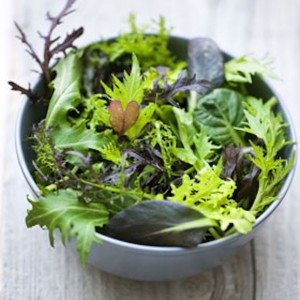
Oriental Salad Mix: a salad mix of Mizuna, Tat Soi, Fine Endive and Oak Leaf are considered as a gourmet mix. Plant will continue to grow after cutting. This is an excellent yielder and is very popular for second-early variety. Plant is well suited to summer growing.
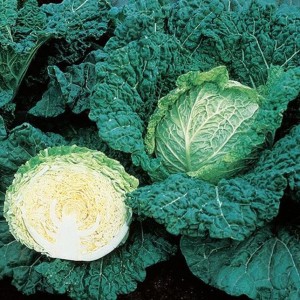
Savoy Cabbage: plant is a vigorous short stem with large ribbed leaves. Leaves are darker blue green in colour. Heads are well savoyed and can be harvested by mid October. See picture # 92Keep beans moist.
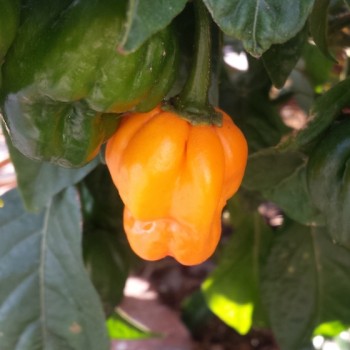
Scotch Bonnet Pepper: is a cultivar of the habanero and is among the hottest peppers anywhere. If you’ve ever tried a habanero pepper, you know it carries some serious heat.
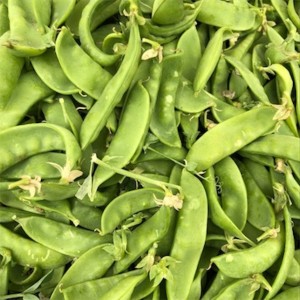
Snow Pea (Stringless Edible Snap Pea): have pale green pods and contain petite, flattened peas. Both the peas and pod are edible and have a sweet pea flavour and tender yet crisp texture.
Sugar Loaf Chicory: seeds grow like an upright, tightly headed, very large Romaine lettuce. Beneath the outer, pale-green, mild tasting leaves lies a blanched heart of sweet, pale-golden white leaves with extraordinary flavour.
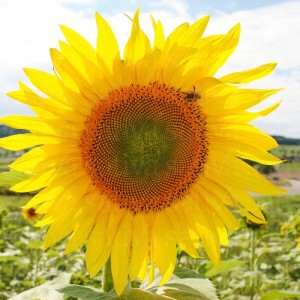
Sunflower: the seeds are harvested from the plant's large flower heads, which can measure more than 12 inches in diameter. A single sunflower head may contain up to 2,000 seeds.
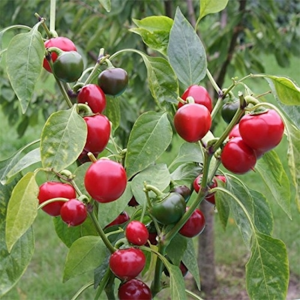
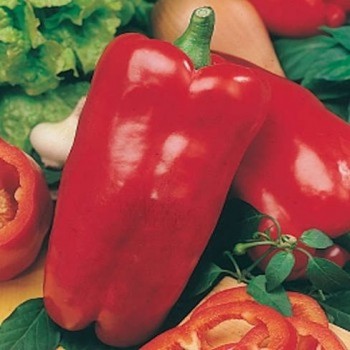
Sweet Pepper Nocera Rosso: is a delicious Italian pepper variety that is long and narrow with three lobes. It has thick sweet flesh and ripens from green to red.
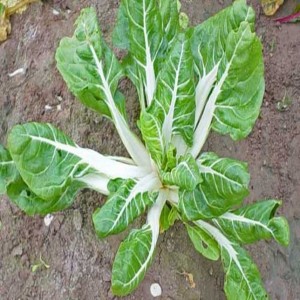
Swiss Chard Green White Ribbed: plant has smooth with bright dark leaves. The mid rib is the broadest and the thickest of the chards and is snow white in colour. Plant is very slow in bolting.
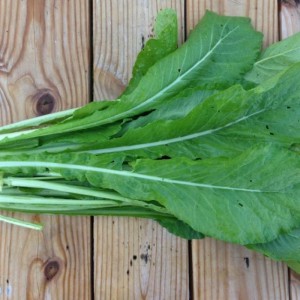
Tendergreen Mustard: has smooth leaves and makes a fine spinach substitute, especially in the fall. Seeds germinate and grow quickly in late summer heat and mature to tender sweetness in cool weather. Thinings are delicious as fresh snacks or in salads. Heat and drought resistant.
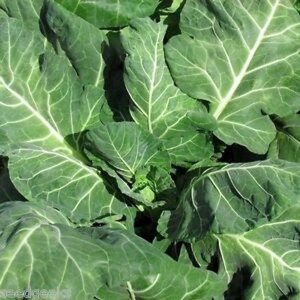
Vates Collards: produces dark green leaves that are very delicious. Vates grows to a height of 30″ and is very slow to bolt. All collards are green, and look similar to cabbage plants without the snowy head in the middle.
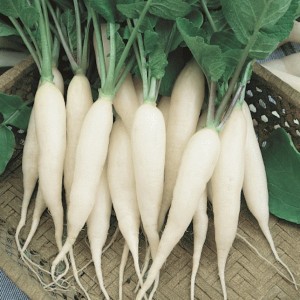
White Icicle Radish: is mild flavoured with 4-6 in. uniform roots that taper to a point. The delicious roots hold their quality well and state crisp and mild. This variety tolerates higher temperatures better than spring radishes and can often be sown into early summer.
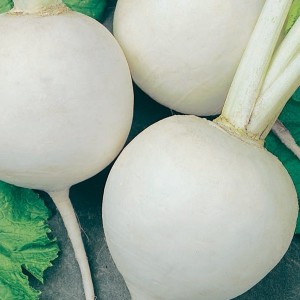
White Turnip: plant is an early variety with a flattened medium large shape and is white in colour. When harvesting pull the whole plant out by hand or mechanically, when the roots have reached the desired size of the variety sown.
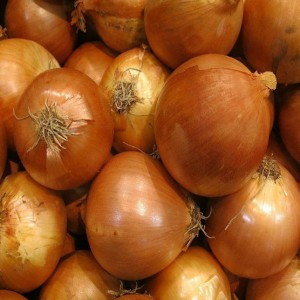
Yellow Onion: have a nice balance of astringency and sweet in their flavour, becoming sweeter the longer they cook. They are usually fist-sized with fairly a fairly tough outer skin and meaty layers.
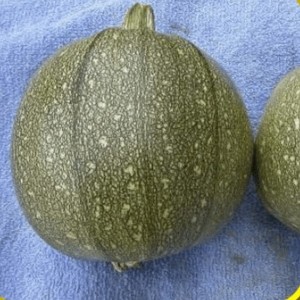
Zucchini Round: is a very popular heirloom squash variety that grows extremely quickly - only 45 days! - Grows as a compact bush size plant (not as a vine). - Produces delicious and beautiful 3" round fruits with yellow flesh.
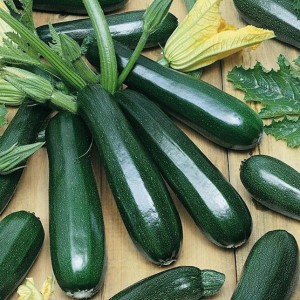
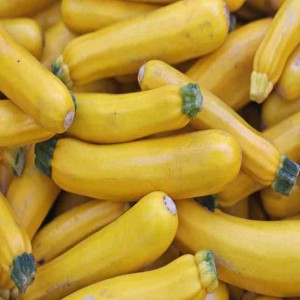
Zucchini Yellow: its shape is similar to that of classic green zucchini, though its taste is a little bit sweeter. Use it in sweet or savory recipes, raw or cooked — just as you would green zucchini.